
Key Takeaways
- 1Quick-reference comparison table for both architectures
- 2Breaks down the real challenges of each model
- 3Explains when to combine Serverless and Edge together
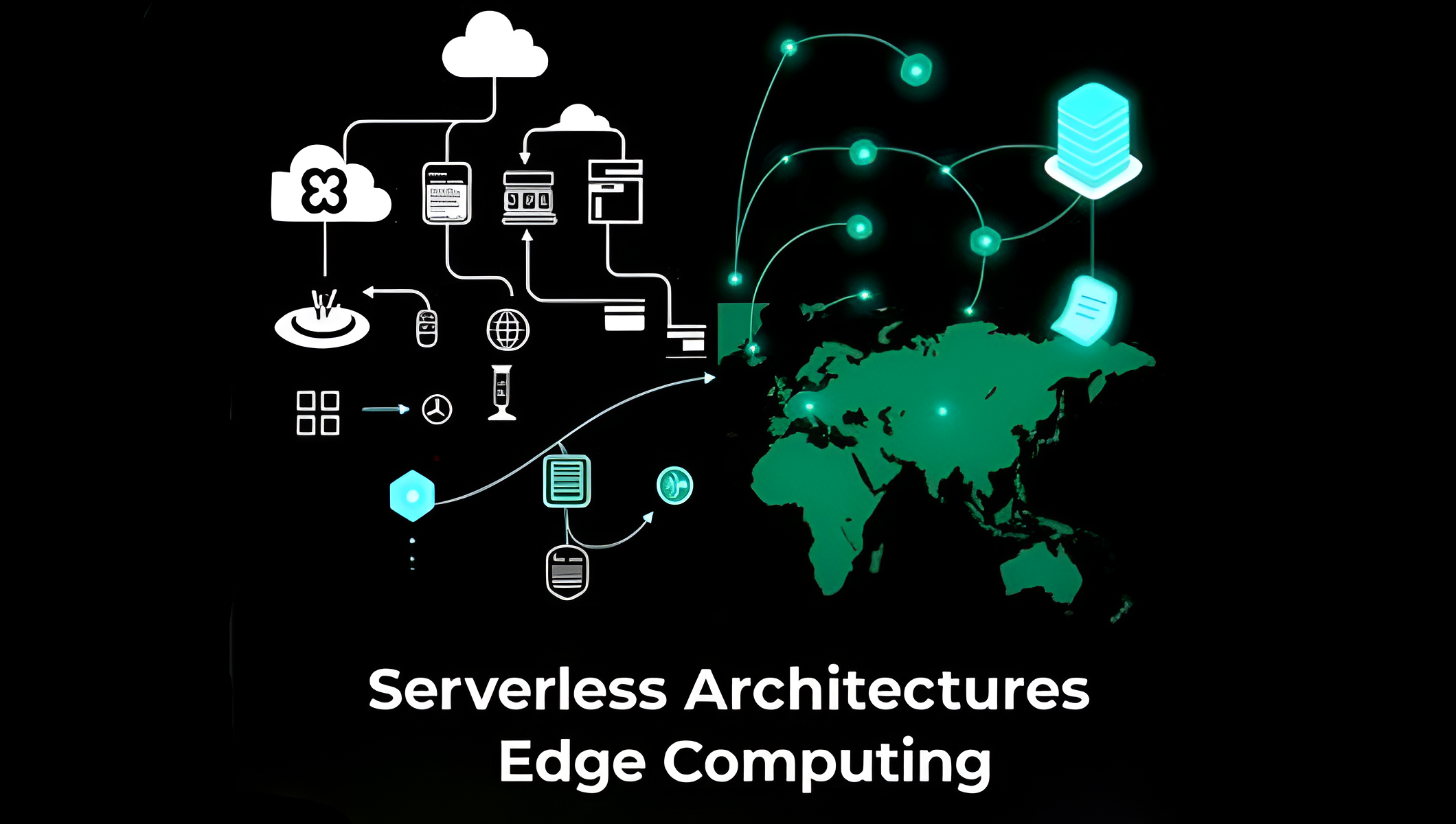
In recent years, the software development landscape has evolved at a breakneck pace, introducing a wave of new technologies, frameworks, and architectural paradigms. Among these, two trends—Serverless Computing and Edge Computing—have emerged as transformative forces shaping the future of modern software systems. These are not just fleeting buzzwords; they represent a shift toward more efficient, scalable, and responsive computing models.
"As digital systems scale globally, choosing the right compute model becomes less about technology trends and more about delivering meaningful performance and efficiency to users."
Serverless Computing vs Edge Computing: Quick Comparison
| Feature | Serverless Computing | Edge Computing |
|---|---|---|
| Pricing | Pay-as-you-go — Pay only for functions used | Higher cost — Requires edge hardware |
| Start Time | Cold starts — Initial delay when waking functions | Instant response — Minimal latency |
| Infrastructure | No servers to manage — Fully abstracted | Managed edge devices — Requires physical infrastructure |
| Scalability | Highly scalable — Dynamic cloud resources | Limited scalability — Device-constrained |
| Data Handling | Great for analytics and backend processing | Ideal for quick, local decisions |
| Use Cases | Web & mobile apps, APIs, microservices | IoT, smart sensors, autonomous systems |
Challenges Faced by Serverless and Edge Computing
Both paradigms offer innovation, but they come with their own trade-offs and complexities that developers and architects must navigate carefully.
Serverless Computing Challenges
- Cold Start Delays: Dormant functions take time to initialize, affecting performance.
- Debugging Complexity: Difficult to trace executions across ephemeral, distributed functions.
- Security Risks: Misconfigurations and over-permissioned functions may lead to breaches.
- Third-Party Vulnerabilities: Frequent API and package reliance introduces attack surfaces.
Edge Computing Challenges
- Infrastructure Complexity: Managing distributed nodes in multiple geographies is challenging.
- Limited Capacity: Device-bound compute restricts workload size and concurrency.
- Bandwidth Bottlenecks: Large data from IoT devices can overload network capacity.
- Security Exposure: Physical access to edge nodes increases vulnerability.
Conclusion
Serverless and Edge Computing are distinct yet complementary paradigms, each designed to solve unique challenges in modern software development.
Serverless Computing excels in abstracting infrastructure, offering developers a seamless way to deploy and scale applications with minimal overhead. It's ideal for web services, APIs, and event-driven applications.
Edge Computing, on the other hand, brings computation closer to the data source, enabling ultra-low-latency processing — perfect for real-time use cases like IoT, autonomous systems, and smart devices.
When combined strategically, these models offer robust, responsive, and scalable solutions. Serverless handles the heavy lifting and centralized logic, while Edge takes care of fast, local decision-making.